In 2025, the custom software development market reached $52.8 billion and is expected to grow at a 22.6% CAGR, reaching $146 billion by 2030. Customers want programs that understand them in a few clicks. In turn, companies are pushed to build far more complicated tools that can serve as their business cards in their competitive fields.
In the face of rapid technological growth, going for a generic solution can leave many companies behind. By investing in a custom-built tool, entrepreneurs open far more strategic opportunities.
This article explains how custom software development is used across industries, how such services benefit businesses, and what it takes to make a unique product you can rely on.
What is custom software development?
Custom software development is the design, building, testing, and deployment of programs and tools tailored to specific users and businesses. Unlike off-the-shelf solutions, custom software is designed to integrate seamlessly with your workflows.
Custom software vs. off-the-shelf software
Building custom software gives you total ownership of your processes, and it’s a solution that was made specifically for you, while off-the-shelf software is a pre-built product designed to fit the average needs of thousands of companies.
| Custom Software | Off-the-Shelf Software |
|---|---|
| Built for you from day one | Your business must adapt its operations to its functionality |
| You own the tool | The creator owns the software and the code |
| Direct API hookups built into your existing systems | Reliant on pre-existing plugins or rigid third-party connectors |
| Updates when you need it | The tool creator updates on their timeline |
Key benefits of custom software development
Custom software for business offers a unique product, scales with your operations, and improves when you need it to.
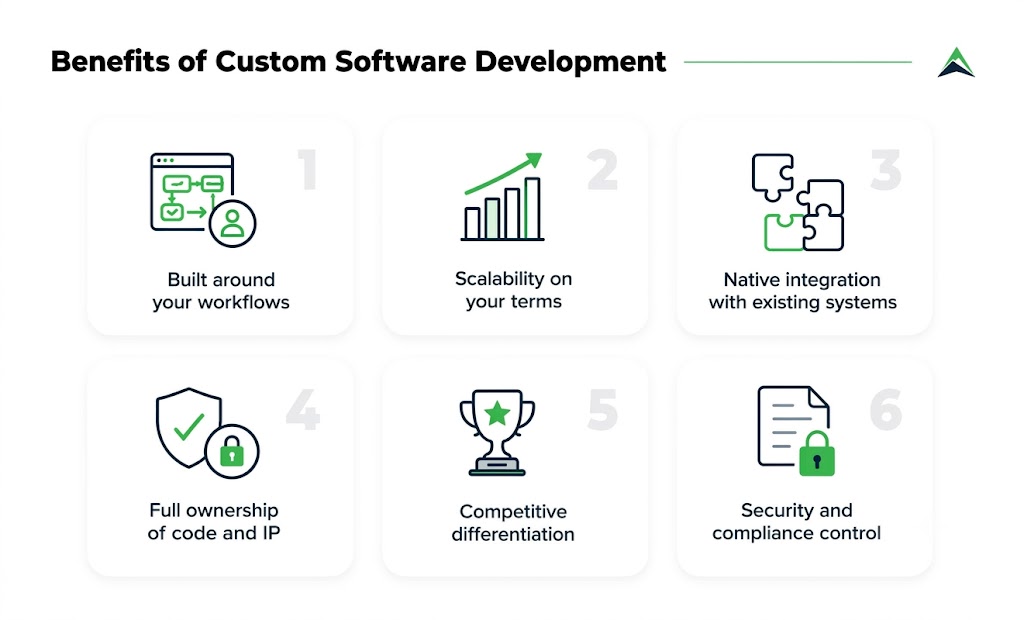
- Built around your workflows. Custom software is made to suit your company’s functions and logic. Data show that companies’ operational efficiency increases by 30% after they abandon off-the-shelf tools. Now, businesses can develop custom software and automate tasks that used to steal their time, delivering better results in both quality and quantity.
- Scalability on your terms. As a solution made just for you, custom software scales up or down with your volume, database sizes, and number of users. 70% of organizations rely on cloud services, which enable application scalability. Regardless of whether you need to expand or reduce your capacity, a product designed specifically for your needs remains dynamic without the need to buy or manage physical servers.
- Native integration with existing systems. Bespoke tools are made to integrate with your legacy infrastructure and create a well-functioning ecosystem. Fortune 500 companies use around 70% of software built 20 years or more ago, and reliance on legacy systems is common even among market leaders, let alone businesses with limited resources. An effective unification saves you from crashes and delays as you push for modernization.
- Full ownership of code and IP. When you build custom software, you own the entire intellectual property (IP). A business with its own code and bespoke tools is far harder to imitate and will have a powerful advantage over companies without such IP.
- Competitive differentiation. Developing custom software lets entrepreneurs create unique customer experiences and internal capabilities that their rivals cannot buy off the shelf. Rather than playing on a level field, this advantage propels a business forward.
- Security and compliance control. The development of custom software protects your data and security by enforcing strict encryption and data storage procedures. In 2026, 48% of software challenges were related to data security and compliance when creating new tools. This significantly reduces the risk of your system being compromised by external threats that affect more generic alternatives.

Key custom software development services
Companies are using custom software development services for a wide range of purposes: from creating better mobile apps to building enterprise-wide tools.
Custom web development
Custom web development is the process of building unique, high-performing websites and apps from scratch to solve specific business problems or deliver a better digital experience for customers. These are complex web applications (e.g., custom client portals or SaaS products) designed to securely handle intensive, dynamic data workflows in a web browser.
In 2026, the web development market is projected to exceed $82 billion. Web and app technologies increasingly overlap, so custom web development can deliver a strong customer experience across any device or screen.
Mobile app development
Mobile app development delivers iOS and Android apps tailored to your business goals. Companies have long recognized the need for a well-developed mobile app to keep their target audience engaged.
This often means building cross-platform versions that deliver high quality without overextending engineering costs on separate native apps. Doing so improves the customer experience by eliminating errors and enhancing UX.
Embedded and IoT software development
Embedded and IoT software development covers smart hardware and sensors that gather real-world data and automate physical machinery. In recent years, the Internet of Things (IoT) has become a prevalent trend, prompting global businesses to adapt quickly.
Sectors like logistics, manufacturing, and healthcare already use custom IoT solutions to connect sensors to existing equipment, monitor machinery health, and prevent failures.
AI and machine learning software development
AI and machine learning development embeds smart algorithms directly into software for more effective decision-making, large-dataset analysis, and predictive insights. In 2025, between 79% and 88% of companies used AI (or generative AI) in at least one business function.
At the same time, adopting this new tech must be strategic and mindful of security risks. And so, instead of using publicly available AI tools that might leak data or simply be lacking, this development path trains localized machine learning models on private company information.
This is also where AI agents come in, software that doesn’t just analyze but carries out multi-step work under human oversight. We build them for specific teams, like AI agents for legal teams that handle intake and conflict checks, or AI agents for event agencies that clear the routine work around each event.
Enterprise software development
Enterprise software development produces large-scale internal systems to run enterprises’ back-office infrastructure. These applications centralize heavy data flows and ensure compliance with the company’s internal rules.
More than that, such software can work across multiple departments and support their coordination, though specifics vary. Enterprise software development holds a significant share of the custom software development market: in 2025, it accounted for 36.60%.
Software integration and API development
Software integration and API development connects your separate software tools so they can share data cleanly and work together. Since a company rarely uses only a few limited tools, using multiple programs at once without proper integration can cause significant discrepancies. Development teams close this gap by building APIs and integration layers that connect your tools.
Legacy software modernization
Legacy software modernization updates aging, slow business programs by rewriting their code, migrating them to secure cloud hosting, and improving their functionality. This service allows companies to leverage the advantages and business data from legacy systems without the bugs and crashes that previously plagued them. Custom software developers migrate old, aging software foundations onto fast, modern cloud-native environments.
Custom software development across industries
Custom application development helps enterprises across industries stay relevant and leverage new opportunities while retaining their existing strengths.
Financial services
The financial sector uses bespoke software to make banking operations more convenient and secure money transfers amid changing financial regulations. The fintech market was valued at nearly $395 billion in 2025. Since we’re at a time when financial institutions and companies are becoming more decentralized despite their rigidity, this increases rivalry and calls for more customer-oriented, personalized software solutions.
Typical projects include mobile banking apps, digital payment platforms, fraud detection systems, and lending or loan management software.
Read also: Financial Software Development Services: Transforming Banking and FinTech
Retail and e-commerce
Custom e-commerce software provides hyper-tailored shopping experiences and allows brands to break free from the templates of generic storefront builders. Customers want personalized interactions when using ecommerce platforms (71% of respondents); that’s hardly the news.
However, companies in these and related fields need to ensure that the platforms they offer are difficult to copy — and remain customer-centric. Companies invest in custom online stores, headless commerce platforms, inventory and order management systems, and personalized recommendation engines.
Hospitality and travel
Custom hospitality software is built to facilitate personal traveling experiences, simplify booking systems, and design automated pricing engines. Hospitality is among the industries that require the most personalization and unique adjustments due to global diversity.
Larger companies are seeking to build complex ecosystems that connect all customer and worker workflows into a single system. Nevertheless, smaller businesses and organizations (such as a company building an app for local eco-tours) still benefit from creative solutions in hospitality.
Projects range from booking and reservation platforms to property management systems and guest experience apps.
Education and EdTech
Education and EdTech use custom software to create interactive digital classrooms and training hubs tailored to specific student curricula. The global EdTech market alone reached $187 billion in 2025, and as the industry grows, companies are seeking more ways to differentiate themselves from competitors.
While most of this innovation goes into K-12, preschool and higher education are also tapping into the trend. Demand centers on learning management systems (LMS) and e-learning platforms.
Automotive and mobility
Usually, software companies in the automotive and mobility market build fleet management tools, applications for bikers and scooters, or embedded programs for vehicle diagnostics. Businesses expect more specific solutions as electric vehicles become more than modes of transportation.
With many buyers wanting vehicles that adjust to them and have self-monitoring and self-management features, custom software is in high demand. The work here covers fleet management platforms, connected-car software, and ride-sharing or micro-mobility apps.
Logistics and supply chain
Logistics and supply chain use custom development solutions to create real-time coordination maps, track deliveries, and organize scheduling tools that account for unique asset characteristics. Examples include smart warehouse management platforms that route picking paths for staff or apps that automate last-mile delivery tracking.
Logistics is one of the largest markets on the list — just the digital logistics industry alone was $37.64 billion in 2025. The supply chain challenges companies face today are often complex; they need to account for potential disruptions and ensure feasibility and safety. Custom software development addresses this by building solutions that include, for example, real-time tracking and monitoring of the goods’ state.
Healthcare
Development teams design digital tools that manage medical records, streamline patient care, and connect doctors with remote patients. Typical projects include building custom Electronic Health Record (EHR) platforms, telehealth communication dashboards, and remote medical sensor software.
Real estate
Custom software companies build centralized platforms that simplify property portfolios, automate agreements, and give immersive property tours. Because real estate businesses are as nuanced as the clients and properties they focus on, real estate tools are becoming more specific, too.
Real estate software is estimated to reach $12.79 billion in 2025, with a focus on customer relationship and contract management solutions. Typical examples include property management platforms, real estate CRM systems, and listing or marketplace apps.
Custom software development process
The custom software development process follows a specific structure that begins with product discovery and ends with continuous maintenance and improvement.
Discovery and requirements
The discovery phase is when you map out your project’s scope, identify user needs, and define the core functionality. During this stage, a development team analyzes the problem your business plans to fix and what solutions you have in mind. This may also include market research and competitor overview. Your stakeholders will outline user personas and build feature lists together with your new team.
UX and architecture design
UX and architecture design maps out the look, feel, and structural backbone of your app. During this stage, you don’t have the final version of the app — merely a feel of it. Designers build visual wireframes and interactive prototypes so you can click through the app layout and choose whether it suits your goals. At the same time, software architects select the right database structures and cloud setups for your app.
Development
The development phase is where programmers write the actual backend and frontend code to bring your application to life. Frontend engineers code the screens your users interact with while the backend developers build secure data pipelines. This stage turns the previous steps into reality, though it is far more resource-intensive and requires constant adaptation in practice.
QA and testing
The Quality Assurance (QA) and testing stage involves creating various scenarios to test the software in a controlled environment and identify glitches and bugs before the official launch. In many cases, developers intentionally create stress tests for the app or platform to ensure that every button or function works as expected.
Deployment and launch
Deployment and launch make the product available to real users. This stage heavily relies on the previous QA and testing because it shows how well the previous steps prepared for this one. Often, developers also make the system flexible for autonomous updates and self-monitoring.
Maintenance and iteration
This is the ongoing process of improving your app in response to security needs, system updates, and user feedback. Developers typically monitor app performance and fix bugs as they occur. Software is a dynamic system, so businesses usually either have their own developers or contract with the original team for ongoing functionality. This ensures a stable relationship with your user base by providing steady, high-quality service.
This is what a traditional development cycle looks like. Depending on your project scope, Eastern Peak’s AI-accelerated development can shorten the path from idea to working product, while senior engineers keep control of the architecture, scalability, and security decisions custom software depends on. Get in touch to find out if this approach fits your project.
How much does custom software development cost?
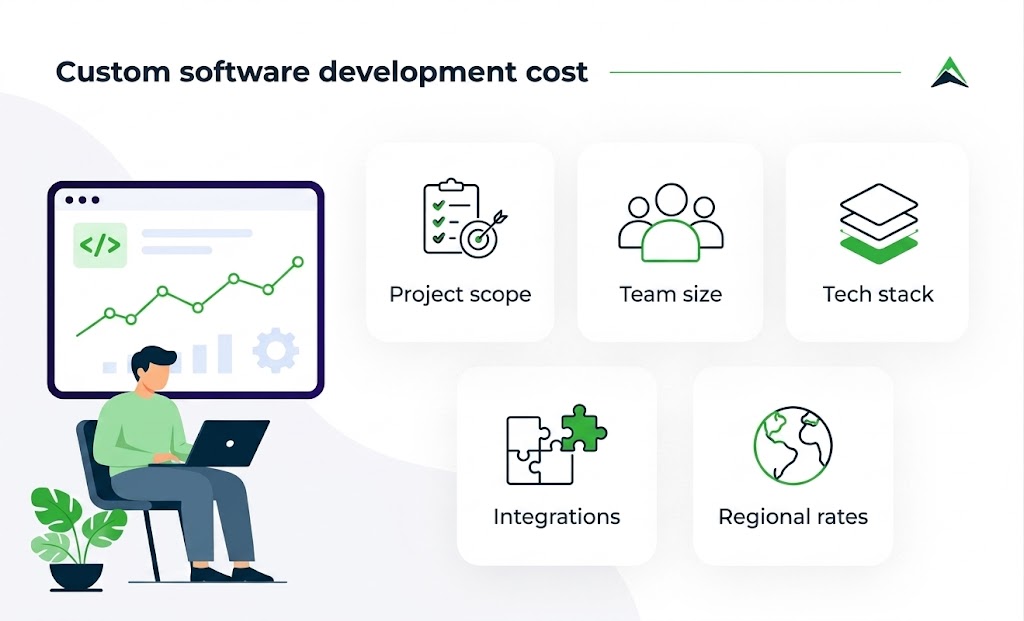
The price of custom software development services varies significantly depending on the project’s scope, team size, tech stack, integrations, and developers’ regional rates.
- Project scope. The more difficult your project is, the higher the price will be. Project scope includes the number of features, the total number of screens, and user roles. Each separate feature you add requires its own dedicated work cycle, which will cost more.
- Team size. Team composition defines the mix of specialist roles working on your software and also affects cost. When your product is complex, you need a larger team with multidisciplinary roles. Conversely, a simple app doesn’t require many people to produce a good final result. If it’s more feasible to invest in a complete, experienced team for long-term success, it’s best to spend more now rather than paying to fix mistakes later.
- Tech stack. The tech stack, a combination of programming languages, frameworks, and cloud infrastructure, can significantly affect how much your development team will request. Building with standard, open-source web frameworks keeps labor costs stable because the talent pool is massive. But if you want an app that requires the latest tech stack, it can noticeably increase the cost for the engineers you specify.
- Integrations. Third-party integrations that your app needs to function can be a hidden, drastic cost. If your custom app doesn’t have many integrations at the moment, your third-party APIs won’t take a lot out of your pocket. However, it can be a severe expense if you have many integrations to consider.
- Regional rates. Geographic location dictates the baseline hourly service rates of the engineering team you choose to hire. Outsourcing globally and finding teams in Eastern Europe, for instance, can deliver a more cost-effective experience without sacrificing quality.

Pricing models
A pricing model that you choose for your project defines how you and your development partner contractually allocate financial risk and manage changing project requirements.
- Fixed-price model. If you agree to this model, you agree on a price for a project before it starts and receive a product within the agreed-upon scope. It’s a good option for an MVP with clearly defined requirements.
- Time-and-materials model. You pay for the hours developers spend writing code and testing features, billed on a recurring basis. This model is suitable for mid-to-large apps where you expect some fluctuation and change.
- Dedicated team model. This model requires you to hire your own software development team to work on your app at a monthly fee. If you have complex software with long-term value, this is the best approach to maximize return.
How to choose the right custom software development partner
When choosing your custom software development company, assess its suitability for your project needs, expect clear communication, and demand clarity and a long-term orientation.
Domain expertise
Your development team needs strong knowledge of your industry, the business model that works best for it, and the software most prevalent in it.
When asking around, “Who offers the best custom software solutions?”, look for teams that already know your industry. They will spend zero time figuring out basic sector terminology and can immediately focus on solving your deep technical challenges. This can drastically shorten your initial product development stages and offer you perspectives you didn’t know about.
References and client reviews
References and reviews are direct proof of your vendor’s past performance and reliability. This shows the candidates’ progression in skill and reveals their track record from real-world cases. Clutch, for example, can be an excellent starting point to check potential companies.
Technical fit for your project
Your developers must have extensive experience with the programming languages and architectures your project requires. When evaluating potential vendors, go with those that build systems similar to yours and know how to handle issues when things don’t work. It can help to look at their portfolio and ask them directly whether they often work on projects like yours.
Communication and responsiveness
Reliable custom software development companies maintain transparent communication and stay proactive so that their clients know what is being done at every stage. Software development is highly collaborative, so your team has to be effective at handling different time zones and self-managing. You may notice their level of communication from the start of your contact.
Clear process and project management
A software development firm should demonstrate an ability to reliably track its project progress, costs, and milestones. This often requires project-tracking boards and breaking the entire process into manageable sprints (often 2 weeks). Ask a potential candidate about their typical project organization and how they keep their clients updated.
Post-launch support
You need your developers to provide ongoing product support and security patching to ensure your application continues to run smoothly, even months after release. Some companies don’t want such high-level attention if they’re only planning an MVP. But if you want to scale and keep growing with your product, this factor can be decisive when choosing a development team.
Custom software in action: Eastern Peak case studies
Eastern Peak has been building custom software since 2012, for clients ranging from global enterprises to early-stage startups. Here are a few projects from our portfolio across different industries.
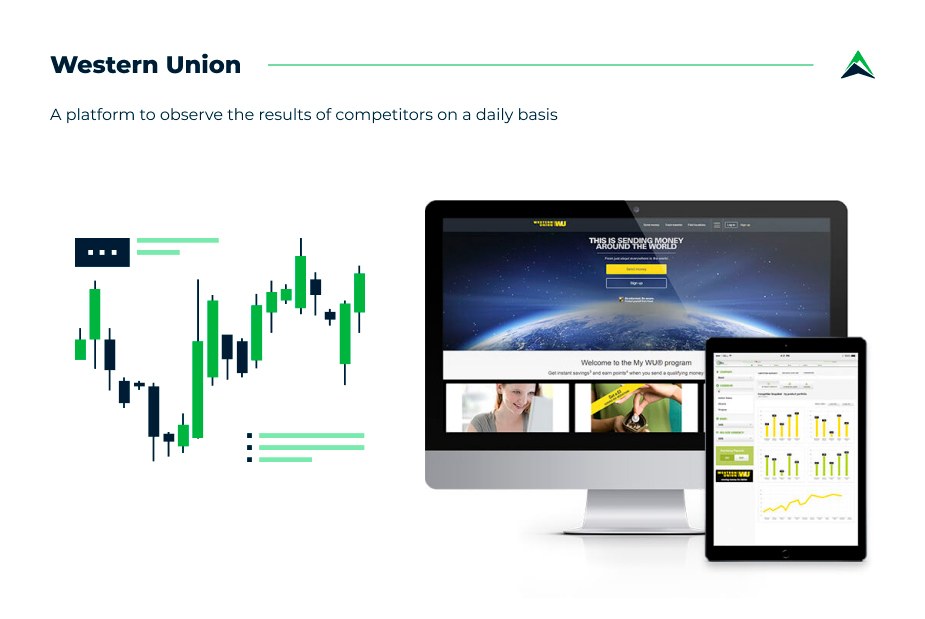
Case#1 Competitive intelligence platform
A web crawling and data mining system that collects, normalizes, and analyzes financial information from competitor sources daily. A customizable dashboard handles competitor analysis, report generation, and data visualization. It was built for one of the world’s largest money transfer companies.

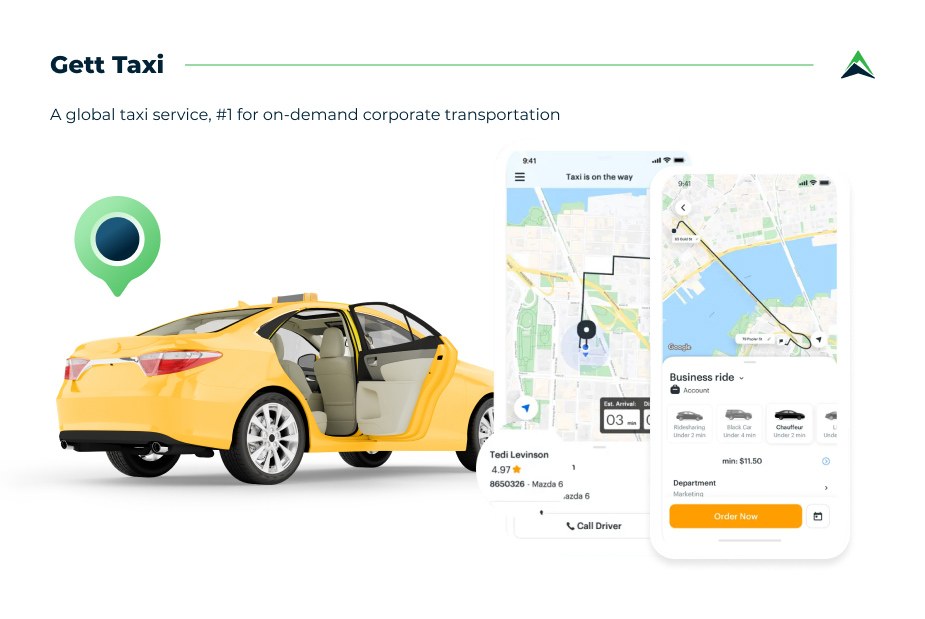
Case#2 Global taxi service
A cloud platform for managing and analyzing consumer data, built for a ride-hailing company operating in 100 cities. The reporting dashboard includes data visualization and analytics.
Case#3 Restaurant platform
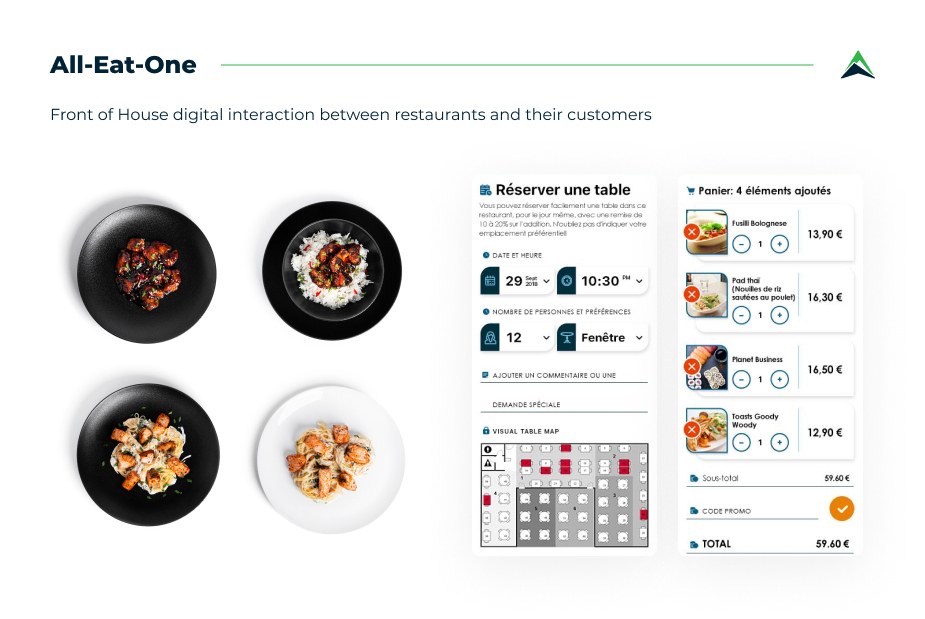
A front-of-house digital interaction platform between restaurants and their customers: guests can book a table with a visual table map, browse the menu, order, and pay in one flow.
Case#4 Connected car solution
A remote control and monitoring solution for cars. A special in-car box with an alarm system and internet connectivity links the vehicle to the cloud, so owners control it straight from a mobile app.

Case#5 Real estate app
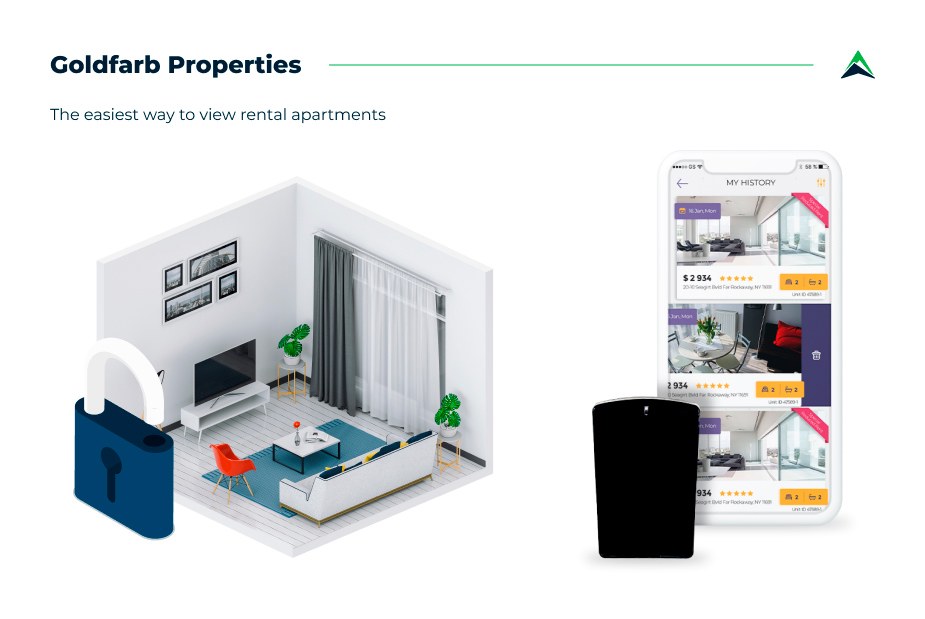
A mobile application that lets prospective tenants find a rental apartment and get a digital key to view it on their own schedule. Features include detailed apartment profiles, smart-lock access to approved apartments, geofencing check-in, and online door monitoring.
Case#6 Workplace safety platform
A healthtech platform that safeguards workers in high-risk environments. Eastern Peak partnered with the founders from concept to MVP, delivering full-cycle development from mobile apps to cloud infrastructure, then scaled the platform and integrated AI.
The platform’s core is AI-powered fall detection: a self-learning neural network recognizes a fall and triggers an automatic response even if the worker is unconscious. It also tracks GPS location in real time and sends one-touch SOS alerts to a 24/7 emergency center, along with geofencing alerts for hazardous zones.
Building a custom solution
When navigating a competitive industry today, businesses should consider investing in custom software to stay relevant. They can create custom software for an entire corporation or test how well personalized instruments perform on a smaller, more in-depth problem. By building a tool that can’t be replicated, entrepreneurs secure an asset that has long-term value.
Opportunities for custom software development are vast, and narrowing down a particular path might feel overwhelming. Contact us — with years of experience in building innovative software for our clients, our team is here to create a unique solution for you from scratch.
Frequently Asked Questions
What is custom software development?
Custom software development is the design, building, testing, and deployment of software tools tailored to specific clients’ expectations, down to every detail.
How much does custom software development cost?
Custom enterprise software development costs vary significantly depending on features and project size. Nevertheless, the price increases with each new API, function, and unique technological demand.
How long does custom software development take?
Usually, building custom software takes 2-6 months for a small project and can take more than 12 months for large systems.
How to choose a custom software development company?
Look into companies’ past successes and failures and review their portfolios. Then evaluate their communication and project management during the first few interactions.
Read also:
- AI Software Development: Powering Smarter Business Processes
- From Idea to MVP: How Startups Can Succeed with Custom Software Development
- No-Code MVP vs Custom Development: The Risks Behind a Quick Launch
- Outsourcing for Startups: Key Reasons and Pitfalls to Avoid
- MVP Development for Startups: 12 Mistakes to Avoid